Frame anchoring contribution to forced entry resistance

Frame anchoring contribution to forced entry resistance

Understanding Frame Anchoring and Forced Entry Resistance

Frame anchoring connects a door or window frame to the wall. It stops someone from kicking in or prying open the frame. It's key for security. A strong door and lock don't matter if the frame breaks easily.

This guide helps security pros and owners understand frame anchoring. We'll share steps to boost building security.

Read more about Châssis Plus window installation aligned with international standards such as CE and ISO..

Consider this when installing new doors/windows or upgrading old ones. Older buildings are often weak.

How does it work? Use long, strong screws or bolts that go into the wall studs, not just drywall. Add reinforcement plates to spread the load and protect the frame. For high security, weld steel frames to the supports.

Common mistakes include using short screws, anchoring only into the trim, or not shimming the frame right. These create weak spots. If the anchoring is bad, the frame will crack or pull away, letting someone in. This can cause property loss, injury, and more liability. Saving money on materials and install will cost you later.
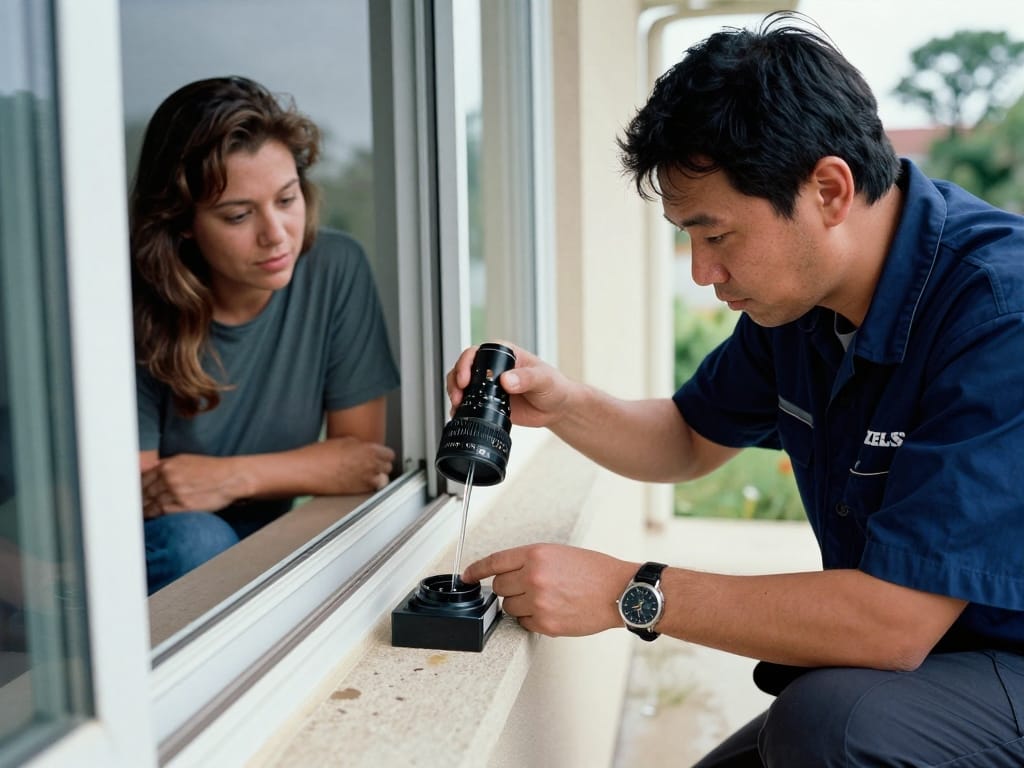
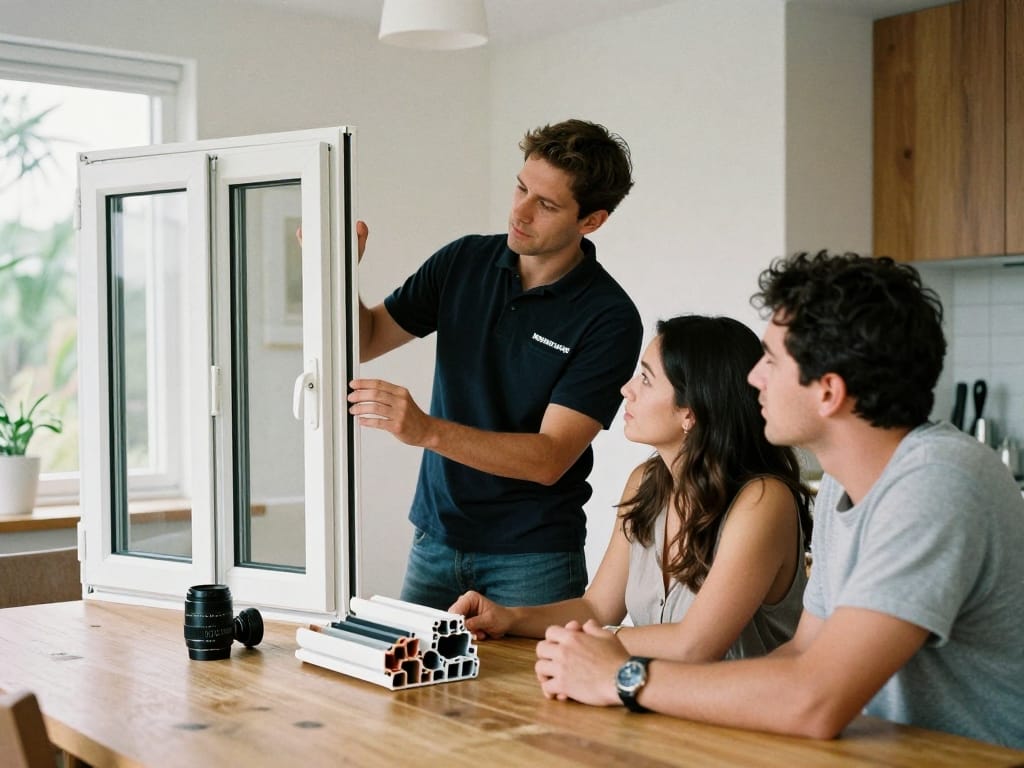
How Forced Entry Works: Weak Points and Methods

Forced entry often targets the door frame, not the lock. Here's why: a standard door frame, especially around the strike plate, is often softwood. A kick, crowbar, or shoulder can split the wood and bypass the lock. This is true if the strike plate uses short screws.

Windows are similar. Most home windows, especially older ones, use weak locks and frames. A pry tool can force the window open, even if locked. The sash meeting the frame is a common weak spot.

When to worry? Focus on ground-floor access and doors/windows hidden from the street. These are common targets.

How do burglars do it? They look for the easiest entry. A weak door frame, a window with a weak latch, or rot are all invitations. They'll use tools like screwdrivers or brute force to exploit these issues.

What goes wrong? Using trim screws instead of structural screws for strike plates is a mistake. Also, not reinforcing the frame around the strike plate with metal. If the frame splinters, the door opens, no matter how good the lock. Neglecting window frame upkeep leads to rot, making them easy to break. A strong door with a good lock is useless if the frame fails.

What is Frame Anchoring and Why Does It Matter?

Core Concept

Frame anchoring means how well a door or window frame connects to the wall. Weak anchoring makes it easy for intruders to break in. A weak frame gives them leverage. Strong anchoring stops forced entry, making it harder to kick in a door or pry open a window. Think of it as the base for all other security. Without it, even the best locks and doors fail. Stronger anchoring means it takes longer and more effort to break in, which makes it more likely someone will notice or the intruder will give up.

Standard Anchoring

Typical frame anchoring uses short screws or nails that go right into the wall studs through the frame. This is fast and cheap to install, but it doesn't stop forced entry. The screws can strip, or the wood around them can split under pressure. Standard anchoring works for basic weather sealing, but it does nothing to stop someone from breaking in. It's a common way to save money when building, but it creates a hidden weak spot.

Reinforced Security

Reinforced frame anchoring uses longer, stronger screws or bolts that go deep into the wall studs or concrete. You can also add metal plates to spread out the force. This makes the frame much harder to bend, break, or remove. Some systems use glue to stick the frame to the wall, which makes for a very strong connection. Reinforced anchoring is key to any good security plan.

Common Mistakes

One common mistake is using screws that are the right length but don't hit the studs behind the wall. Another mistake is tightening screws too much, which can strip the wood and weaken the connection. Gaps between the frame and the wall are also bad because they give intruders a place to pry. If you don't seal around the frame, water can damage the wood and weaken the anchoring. These small mistakes can make a big difference in how secure the entry point is.

Failure Consequences

If frame anchoring fails, the whole entry point is weak, no matter how good the door or window is. Intruders can quickly kick in the door or pry open the window and get inside. This can lead to theft, damage, and risk to people. Fixing the damage and replacing stolen things costs more than it would have to just anchor the frame well in the first place. Also, a break-in can make people feel unsafe at work.

Types of Frame Anchoring Systems: A Quick Look

Here's the section you asked for:

How you anchor a frame matters a lot for forced entry resistance. Even a strong door is weak if the anchor point fails. Let's break down the different systems. The right choice affects security, cost, and installation time.

Long screws are common because they're cheap and easy to install. But they only work if the material they screw into is solid. They won't hold in rotted wood or bad concrete. Steel plates used with screws spread the force and make things stronger, especially in weak materials. But this costs more and takes more care to install.

Special brackets exist too. These fit certain frames and resist pulling. They cost the most and might need a pro to install them.

What's a common mistake? Using the wrong screw length or type. Screws that are too short or wrong for the wall won't work. Also, seal around the frame after install. If water gets in, it causes rot and weakens the anchor. If you don't anchor right, expect break-ins, repairs, and problems. [Confirm "problems" means liability issues.]

Best Security Practices for Installation

Properly installing frame anchors matters most. A weak anchor defeats the purpose of a high-security door or window. We want to prevent forced entry, so avoid mistakes.

First, consider screw length. Don't guess. Penetrate the structural subframe enough. Aim for at least 2.5 inches into solid wood or reinforced steel. Less than that, and the screw might pull out. Check local codes; they often specify minimums.

Placement also matters. Distribute the anchors evenly around the frame, focusing on hinge and strike plate areas. Intruders apply force there. If you use too few anchors, or space them too far apart, the frame will flex and might fail.

Subframe material is another key point. Are you anchoring into wood, steel, or concrete? Each needs a different anchor and installation method. For example, wood screws in concrete won't work. They will strip and provide no holding power.

A common mistake involves over-tightening. You can strip the screw head or damage the frame, weakening the assembly. Use a torque wrench if needed, and check the anchor maker's specifications. If you get this wrong, the frame might seem secure, but it will fail under pressure, costing you time, money, and maybe more.

Choosing the Right Frame Anchoring System: A Decision Framework

Picking the right frame anchoring isn't just for show; it stops forced entry. A great door with weak anchoring is a weak spot. Consider this for all outside doors and windows, especially after security problems or during check-ups.

The right system depends on a few things. One size doesn't fit all. For example, a steel frame in a high-crime area needs stronger anchoring than a wood window in a safe office. Money matters, but saving now can cost more later due to theft, damage, and lawsuits.

Here's a simple comparison:

| Factor | Basic (e.g., Residential Grade Screws) | Intermediate (e.g., Security Screws, Longer Lengths) | High-Security (e.g., Through-Bolts, Reinforcement Plates) | |-----------------|----------------------------------------|------------------------------------------------------|---------------------------------------------------------| | Door Type | Interior, Low-Risk Exterior Doors | Standard Exterior Doors, Ground Floor Windows | High-Security Doors, Vulnerable Entry Points | | Security Need | Minimal Deterrence | Moderate Protection | High Resistance to Forced Entry | | Budget | Low | Medium | High |

People often underestimate how much force an intruder can use. Standard screws in a risky area? The frame will fail fast. Also, consider the wall. Anchors for concrete won't work in drywall. Wrong installation, like over-tightening or using the wrong drill, also hurts the system. If you mess up, you get a false sense of safety and an easy-to-kick door.

Debunking Common Myths About Frame Anchoring

Let's clear up some misunderstandings about frame anchoring. One myth is that *any* anchor works. Not true. A decorative screw won't stop an intruder. You need strong connections.

Here's where companies mess up: They underestimate the forces. A deadbolt needs a solid frame. If the frame breaks, the bolt is useless. That’s where anchoring matters. Use longer screws that go into the wall studs, or use anchor bolts in masonry walls.

When should you worry? Outward-swinging doors or doors with lots of glass are easy targets. Older buildings are also vulnerable because the frames weren't built for security.

What if you skip this? You get a false sense of security. Or, someone kicks in the door easier. Insurance companies check security after a break-in. Bad frame anchoring can cause claim issues. So, it’s about security and managing risk.

RC classification requirements for residential windows

Frame Anchoring: Why It Matters for Security

Frame anchoring isn't a standalone fix. It's a key part of your overall security. Think of it like this: A strong door is useless if the frame is weak. An intruder will just break the frame. That's where anchoring helps.

Let's say you have alarms, cameras, and reinforced doors. Anchoring stops intruders from kicking in the entire frame, bypassing your security. Anchoring works best during construction, but you can add it later. It just takes more work.

Here's how it works: Use strong fasteners that go deep into the wall studs, not just the trim. The number and placement of these fasteners matter. Don't space them too far apart or use short fasteners. This creates weak spots for intruders with tools.

If you don't anchor frames right, they can still break, making your other security less effective. You could have a break-in even with a great alarm system. This costs you time, money, and safety. The cost of repairs and theft is higher than the cost of proper anchoring.

Case Studies: How Frame Anchoring Works in Real Life

Let's examine real examples of how good frame anchoring makes a difference by stopping or slowing down forced entry. Every extra second you buy raises the odds that the alarm sounds, police arrive, or the intruder quits.

A regional bank branch had repeated break-in attempts at its ATM. The bank upgraded to frames anchored to the concrete using heavy-duty bolts spaced every 12 inches. The next attempt failed. The frame held, even under heavy prying. The thieves caused cosmetic damage but couldn't get in.

A jewelry store used steel reinforcement plates welded to the frame and anchored with chemical adhesives into the brick. This costs more but works well. A ram-raid failed to breach the entrance. The frame bent but didn't break. The store was damaged, but the merchandise stayed safe.

Here's a common mistake: using weak anchors, like drywall screws into wood. This invites trouble. Also, spacing anchors too far apart creates weak points. If the anchoring fails, the entire door system fails, no matter how strong the door is. You give the intruder an easy win and risk losses.

Frame Anchoring: Homes, Offices, and Factories

Frame anchoring isn't one-size-fits-all. What works for a house won't work for an office or warehouse. The security needs differ.

For homes, focus on weak spots like ground-floor windows and doors. Reinforce the frame anchoring there. Use longer screws that grip wall studs. For offices, especially with many tenants, the focus changes. Entry points are stronger, but there are more of them. Storefronts with big glass panels need frame anchoring, security film, and reinforced frames.

Factories have different challenges. Large overhead doors and loading docks are targets. Anchoring must be stronger to resist prying. Use heavy-duty steel frames embedded in concrete.

Underestimating force is a common mistake. Standard screws and weak frames aren't enough. If anchoring fails, the door or window fails, making other security useless. This can cause property loss and risk employee safety. Ignoring this can be costly.

DIY vs. Pro Installation: Which Should You Pick?

Deciding between DIY frame anchoring and hiring a pro depends on your risk tolerance and resources. Forcing entry resistance involves the whole door, not just the lock. A weak frame makes a great lock useless.

DIY installation saves money but demands skill. You need to drill pilot holes right, use the correct screws (long, hardened steel), and align the frame perfectly. Misalignment makes the door hard to close, weakening security. Wrong screws break under force. You'll need a strong drill, level, shims, and maybe a special bit.

Professional installation costs more but offers expertise. A pro checks the frame, finds weaknesses, and uses the right anchoring. They also ensure smooth door operation. The catch? You trust their skill. Check reviews, references, and licenses.

Over-tightening screws is a common mistake, stripping the wood. Using too few screws leaves weak spots. If done wrong, the frame remains easy to kick in, wasting effort and cash. Bad installs can also damage the door, costing more to fix.

Keep Your Frame Anchors Secure

Frame anchors aren't a "set it and forget it" item. If you ignore them, you'll have problems later. Weather and attempted break-ins can weaken them over time. This can lead to security breaches and put employees at risk.

Check your anchors twice a year. Look for rust, especially where the anchor meets the frame or wall. Are there any signs of movement or widening gaps? These are warnings. If you see anything wrong, call a contractor. Don't just tighten a screw and hope it fixes the problem.

What are common issues? People often overtighten bolts, which strips the threads. Or they use the wrong fastener, which corrodes. As a result, the anchor can pull out during a break-in, and the door will only be held by the latch. This creates the illusion of security. If anchors fail, you may have to replace the door and frame and deal with the aftermath of a break-in. Prevention is cheaper and less stressful.

Future of Frame Anchoring

Frame anchoring is evolving beyond basic bolts. Expect smarter, stronger, and easier-to-monitor systems. Why? A weak frame (window, door, or structural part) hurts security and costs money to fix. This includes resisting forced entry and ensuring long-term strength.

Here's what's changing: New adhesives offer amazing pull-out strength, sometimes better than bolts. They also make installation easier, especially on brick. But prep the surface well. Otherwise, the expensive glue won't work.

Now, think about monitoring. Sensors can be embedded in anchors to detect movement. This is real. Over-tightening anchors weakens them. Using the wrong anchor also causes failure. If an anchor fails, expect security problems, damage, and higher costs. Install correctly, pick the right anchor, and consider monitoring for safety.

Cost, Looks, and Install Time: Common Questions

Frame anchors make doors stronger, but people have concerns. Let's talk about them.

First, cost. Yes, better frame anchors add to the price. But think about what happens if someone breaks in. Stolen stuff, damage, and maybe lawsuits cost more than the upgrade. Think of it as insurance. You can also do it in steps, starting with the doors that are easiest to break.

Second, looks. Some people don't want ugly hardware. Luckily, new options are small. Look for hidden anchors or ones you can paint. Talk to a security expert. They can help you find options that look good and work well.

Third, install time. Stronger anchors take longer to install. Don't rush! Badly installed anchors are worse than none. They make you think you're safe when you're not, and they can damage the door frame. Use good installers and plan for enough time. Saving money on labor is a bad idea.

In Conclusion: Anchor Your Frames to Secure Your Property

Frame anchors are key to preventing forced entry. A strong door and lock don't matter if the frame fails. A weak frame anchor invites intruders. Focus on vulnerable spots like ground-floor entrances or doors hidden from the street.

Proper installation matters. Use long, thick screws that go deep into the wall studs, not just the drywall. Three-inch screws often fail. Use four-inch screws or longer, depending on the wall. Don't use the screws that come with the door frame, as they are usually too short. Also, fill the gap between the frame and the wall with shims. Gaps weaken the structure. If the frame isn't solid, it will flex and make it easier to kick in.

If frame anchors fail, your security is at risk. Fixing a damaged door and frame after a break-in costs money, time, and may create liability. Don't risk it. For help picking and installing the right frame anchoring, contact our specialists for advice. Call us at 555-SECURITY or visit SecureSolutions.com.

Why Frame Anchoring Matters

Frame anchoring is key to stopping forced entry. Here's why: a strong door and lock don't matter if the frame breaks. We're talking about someone kicking, prying, or breaking down the door by attacking the frame itself.

In practice, use longer, stronger screws to attach the frame to the wall studs. The short screws that come with most doors aren't enough. Use 3-inch or longer screws that go deep into the studs behind the drywall. Also, use reinforcement plates to connect the jamb to the wall.

A common error is focusing only on the lock and not the frame. Another error is using shims wrong, which leaves gaps that weaken the anchor points. If the frame isn't secure, the door will fail. Someone can kick it in easily. This can damage property, lead to theft, and put people inside at risk. Proper anchoring costs little compared to what could happen if someone breaks in.

The Flemish Area (Dutch: Vlaams Gewest, pronounced [ËŒ vlaːː ms x É™ ˈ Ê‹ É› st], generally simply described as Flanders (Dutch: Vlaanderen [ˈ vlaːː ndəə r É™(n )], is among the three regions of Belgium—-- alongside the Walloon Region and the Brussels-Capital Region. Treatment the northern section of the nation, the Flemish Region is primarily Dutch-speaking. With a location of 13,626 km2 (5,261 sq mi), it represents only 45% of Belgium's area, however 58% of its population. It is one of the most densely inhabited regions of Europe with around 500/km2 (1,300/ sq mi). The Flemish Region is distinct from the Flemish Community: the last encompasses both the citizens of the Flemish Region and the Dutch-speaking minority living in the Brussels-Capital Area. It surrounds the Netherlands and France.

.

Convection (or convective warm transfer) is the transfer of heat from one location to another as a result of the activity of liquid. Although often discussed as an unique approach of heat transfer, convective heat transfer includes the mixed processes of transmission (heat diffusion) and advection (warm transfer by mass fluid flow). Convection is usually the dominant form of heat transfer in liquids and gases. Note that this definition of convection is only suitable in Warm transfer and thermodynamic contexts. It ought to not be confused with the vibrant liquid sensation of convection, which is commonly described as Natural Convection in thermodynamic contexts in order to distinguish the two.

.

About ChâssisPlus Window Supplier Overijse

Driving Directions in Vlaams-Brabant


fenetre et chassis
50.85401729667, 4.4760998226916
Starting Point
ChâssisPlus Window Supplier Overijse, Trilpopulierenlaan 23, 3090 Overijse, Belgium
Destination
Open in Google Maps
chassis sur mesure
50.787377455896, 4.5712344931059
Starting Point
ChâssisPlus Window Supplier Overijse, Trilpopulierenlaan 23, 3090 Overijse, Belgium
Destination
Open in Google Maps
chassis de fenetre
50.798860695199, 4.3821675832333
Starting Point
ChâssisPlus Window Supplier Overijse, Trilpopulierenlaan 23, 3090 Overijse, Belgium
Destination
Open in Google Maps
chassis prix
50.829490401737, 4.4674785206402
Starting Point
ChâssisPlus Window Supplier Overijse, Trilpopulierenlaan 23, 3090 Overijse, Belgium
Destination
Open in Google Maps
chassis et fenetre
50.824719627912, 4.4904982735851
Starting Point
ChâssisPlus Window Supplier Overijse, Trilpopulierenlaan 23, 3090 Overijse, Belgium
Destination
Open in Google Maps
moustiquaire porte
50.751690810637, 4.3914727333754
Starting Point
ChâssisPlus Window Supplier Overijse, Trilpopulierenlaan 23, 3090 Overijse, Belgium
Destination
Open in Google Maps
prix d un chassis pvc
50.775547813441, 4.4451296785314
Starting Point
ChâssisPlus Window Supplier Overijse, Trilpopulierenlaan 23, 3090 Overijse, Belgium
Destination
Open in Google Maps
moustiquaire fenetre
50.727026505398, 4.4346210246497
Starting Point
ChâssisPlus Window Supplier Overijse, Trilpopulierenlaan 23, 3090 Overijse, Belgium
Destination
Open in Google Maps
chassis sur mesure
50.811809505152, 4.4453311796834
Starting Point
ChâssisPlus Window Supplier Overijse, Trilpopulierenlaan 23, 3090 Overijse, Belgium
Destination
Open in Google Maps
porte exterieur
50.726859675551, 4.4752774626942
Starting Point
ChâssisPlus Window Supplier Overijse, Trilpopulierenlaan 23, 3090 Overijse, Belgium
Destination
Open in Google Maps
Google Maps Location
https://www.google.com/maps/dir/?api=1&origin=50.809051639522,4.3910653260693&destination=Ch%C3%A2ssisPlus+Window+Supplier+Overijse%2C+Trilpopulierenlaan+23%2C+3090+Overijse%2C+Belgium&destination_place_id=ChIJs6s0urnbw0cRoOc4ktuXj-w&travelmode=driving&query=fenetre+chassis
Click below to open this location on Google Maps
Google Maps Location
https://www.google.com/maps/dir/?api=1&origin=50.811809505152,4.4453311796834&destination=Ch%C3%A2ssisPlus+Window+Supplier+Overijse%2C+Trilpopulierenlaan+23%2C+3090+Overijse%2C+Belgium&destination_place_id=ChIJs6s0urnbw0cRoOc4ktuXj-w&travelmode=driving&query=chassis+sur+mesure
Click below to open this location on Google Maps
Google Maps Location
https://www.google.com/maps/dir/?api=1&origin=50.73396919404,4.4119655205464&destination=Ch%C3%A2ssisPlus+Window+Supplier+Overijse%2C+Trilpopulierenlaan+23%2C+3090+Overijse%2C+Belgium&destination_place_id=ChIJs6s0urnbw0cRoOc4ktuXj-w&travelmode=driving&query=chassis+bois+bruxelles
Click below to open this location on Google Maps
Google Maps Location
https://www.google.com/maps/dir/?api=1&origin=50.807665960581,4.5689625683143&destination=Ch%C3%A2ssisPlus+Window+Supplier+Overijse%2C+Trilpopulierenlaan+23%2C+3090+Overijse%2C+Belgium&destination_place_id=ChIJs6s0urnbw0cRoOc4ktuXj-w&travelmode=driving&query=chassis+prix
Click below to open this location on Google Maps
Google Maps Location
https://www.google.com/maps/dir/?api=1&origin=50.726691114539,4.511030683687&destination=Ch%C3%A2ssisPlus+Window+Supplier+Overijse%2C+Trilpopulierenlaan+23%2C+3090+Overijse%2C+Belgium&destination_place_id=ChIJs6s0urnbw0cRoOc4ktuXj-w&travelmode=driving&query=prix+chassis+en+pvc
Click below to open this location on Google Maps
Google Maps Location
https://www.google.com/maps/dir/?api=1&origin=50.80653398076,4.4368730635526&destination=Ch%C3%A2ssisPlus+Window+Supplier+Overijse%2C+Trilpopulierenlaan+23%2C+3090+Overijse%2C+Belgium&destination_place_id=ChIJs6s0urnbw0cRoOc4ktuXj-w&travelmode=driving&query=volet+exterieur
Click below to open this location on Google Maps
Google Maps Location
https://www.google.com/maps/dir/?api=1&origin=50.816310664282,4.4060256190832&destination=Ch%C3%A2ssisPlus+Window+Supplier+Overijse%2C+Trilpopulierenlaan+23%2C+3090+Overijse%2C+Belgium&destination_place_id=ChIJs6s0urnbw0cRoOc4ktuXj-w&travelmode=driving&query=porte+d%27entr%C3%A9e
Click below to open this location on Google Maps
Google Maps Location
https://www.google.com/maps/dir/?api=1&origin=50.748469879281,4.4093811084994&destination=Ch%C3%A2ssisPlus+Window+Supplier+Overijse%2C+Trilpopulierenlaan+23%2C+3090+Overijse%2C+Belgium&destination_place_id=ChIJs6s0urnbw0cRoOc4ktuXj-w&travelmode=transit&query=chassis+pvc
Click below to open this location on Google Maps
Google Maps Location
https://www.google.com/maps/dir/?api=1&origin=50.824719627912,4.4904982735851&destination=Ch%C3%A2ssisPlus+Window+Supplier+Overijse%2C+Trilpopulierenlaan+23%2C+3090+Overijse%2C+Belgium&destination_place_id=ChIJs6s0urnbw0cRoOc4ktuXj-w&travelmode=transit&query=chassis+et+fenetre
Click below to open this location on Google Maps
Google Maps Location
https://www.google.com/maps/dir/?api=1&origin=50.807444207404,4.4026162811977&destination=Ch%C3%A2ssisPlus+Window+Supplier+Overijse%2C+Trilpopulierenlaan+23%2C+3090+Overijse%2C+Belgium&destination_place_id=ChIJs6s0urnbw0cRoOc4ktuXj-w&travelmode=driving&query=porte+moustiquaire
Click below to open this location on Google Maps